
When selecting a local POS provider for a quick-service restaurant, prioritize direct human support, on-site installation expertise, and hardware tailored to high-volume counters. A local partner ensures that when technical issues arise during a rush, you have a reachable expert who understands your specific service flow. This approach reduces downtime and protects your guest experience better than remote-only support models.
The Value of Local Presence
Process with Bryant serves restaurant owners across Oregon and Washington with this local focus. The provider emphasizes a direct line of communication, ensuring that the person who installs your system is the same person available for support. This continuity helps build a working relationship based on understanding your specific operation rather than treating you as a ticket number. according to Top 50 POS
Hardware Fit for High-Volume Counters
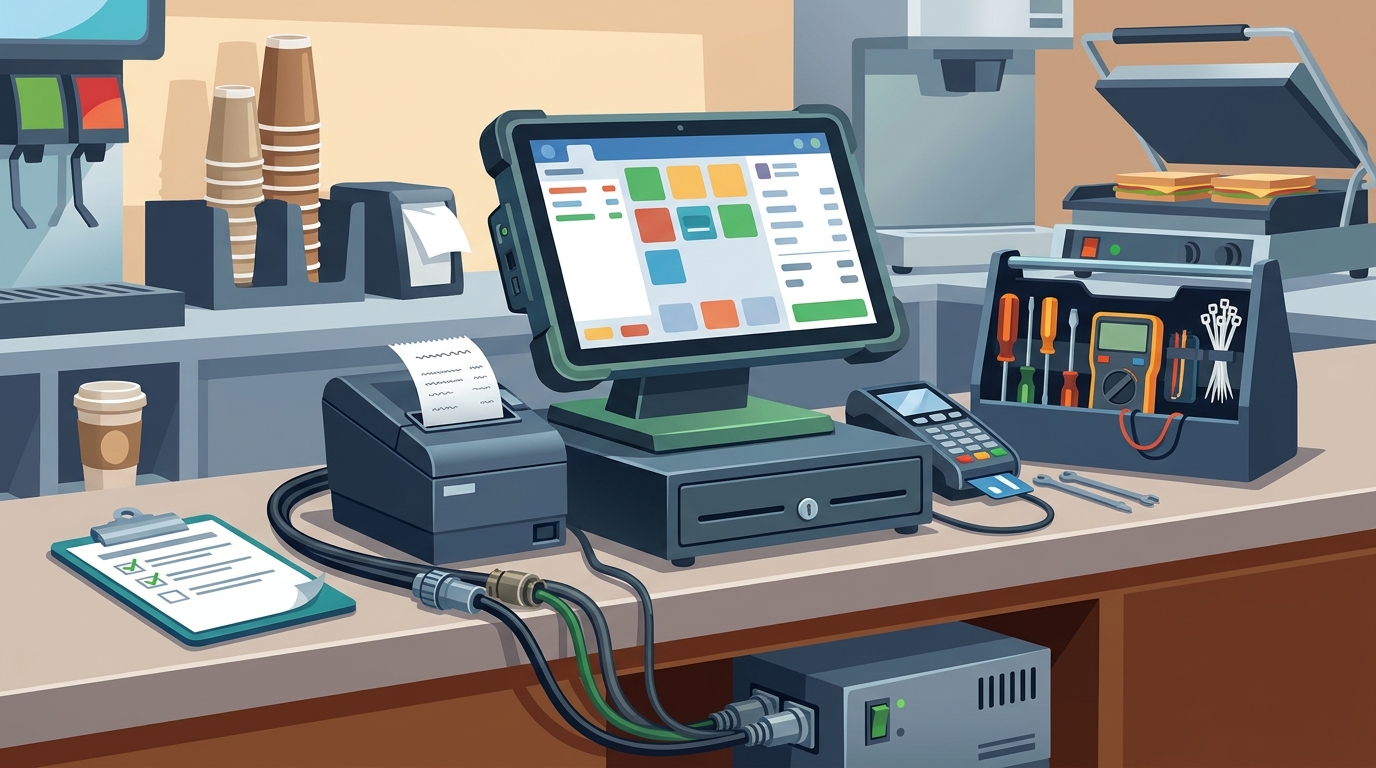
Quick-service hardware is a set of durable, fast-responding devices designed to handle rapid order entry and payment. Unlike full-service dining, quick-service counters require equipment that can process multiple transactions per minute without lag. The right hardware setup includes terminals, customer-facing displays, and payment readers that work together seamlessly.
Choosing the right hardware requires looking at the physical layout of your counter. A provider should help you determine how many service points you need and where they should be placed. For example, a busy counter might benefit from a self-ordering kiosk to reduce wait times, while a smaller operation might need a streamlined handheld device for mobile payments. Process with Bryant helps owners select commercial-grade hardware that matches their service style, ensuring the equipment earns its place by removing real bottlenecks.
Payment Processing and Cost Clarity
Payment processing is the financial infrastructure that handles card transactions, tips, and refunds. In a quick-service environment, the payment flow must be as fast as the food service. Guests expect a quick tap or insert, and staff need a clear view of the total and tip prompt. A local provider should explain these costs in plain language, helping you understand the total cost of ownership beyond just the monthly software fee.
Transparency in payment costs is a critical factor when choosing a provider. You should ask how tips are handled, what the processing rates are, and if dual pricing is an option. Dual pricing allows you to show cash and card prices separately, giving guests a choice and helping you manage margins. Process with Bryant provides guidance on these payment setups, ensuring that the financial side of your POS aligns with your business goals and operational reality.
Training and Ongoing Support
POS training is the process of teaching your staff how to use the system effectively. For quick-service teams, this training must be practical and role-specific. A new hire should not be left to figure out how to split a check or handle a refund in front of a waiting guest. A good provider offers hands-on onboarding that mirrors the actual pace of your shift.
Ongoing support is just as important as the initial setup. The first week after launch often reveals small issues that a demo cannot predict. A local provider can make practical adjustments to the system, such as updating menu items or adjusting user permissions, to ensure the POS continues to fit your operation. Process with Bryant offers ongoing support for the questions that happen after setup, ensuring that your team has a clear path to answers when they need them.
Key Takeaways
- Local providers offer faster, in-person support for critical technical issues during busy shifts.
- Hardware should be selected based on your specific counter layout and service speed.
- Payment processing costs should be transparent and explained in plain language.
- Training must be practical and tailored to the roles of your staff.
- Continuity between the installer and the support provider ensures long-term system fit.
- Direct communication channels are essential for quick-service operations.
Frequently Asked Questions
Why is local support important for quick-service restaurants?
Local support allows for on-site troubleshooting, which is faster and more effective than remote support for issues that occur during high-volume service periods.
What hardware is best for a quick-service counter?
Best hardware includes fast-responding terminals, customer-facing displays, and durable payment readers that can handle rapid transactions without lag.
How does a local provider help with payment processing?
A local provider helps by explaining processing costs, tip handling, and dual pricing options in plain language, ensuring you understand the total cost of ownership.
What should I expect from POS training?
Training should be practical and role-specific, teaching staff how to handle orders, payments, and exceptions in a way that mirrors the actual pace of your shift.
Can a local provider help with ongoing system adjustments?
Yes, a local provider can make practical adjustments to the system after launch, such as updating menus or adjusting permissions, to ensure the POS continues to fit your operation.Where can I find a local POS provider in Oregon and Washington?
Process with Bryant is a local POS partner serving restaurant owners across Oregon and Washington, offering direct support and on-site installation.
Start the Conversation
Choosing the right POS provider is a significant decision for your restaurant. Process with Bryant offers a free POS review to help you sort through the options before you commit. To plan your next step, for a practical conversation about your current setup and goals.